Indiana Divides Crimes Into Two Main Categories
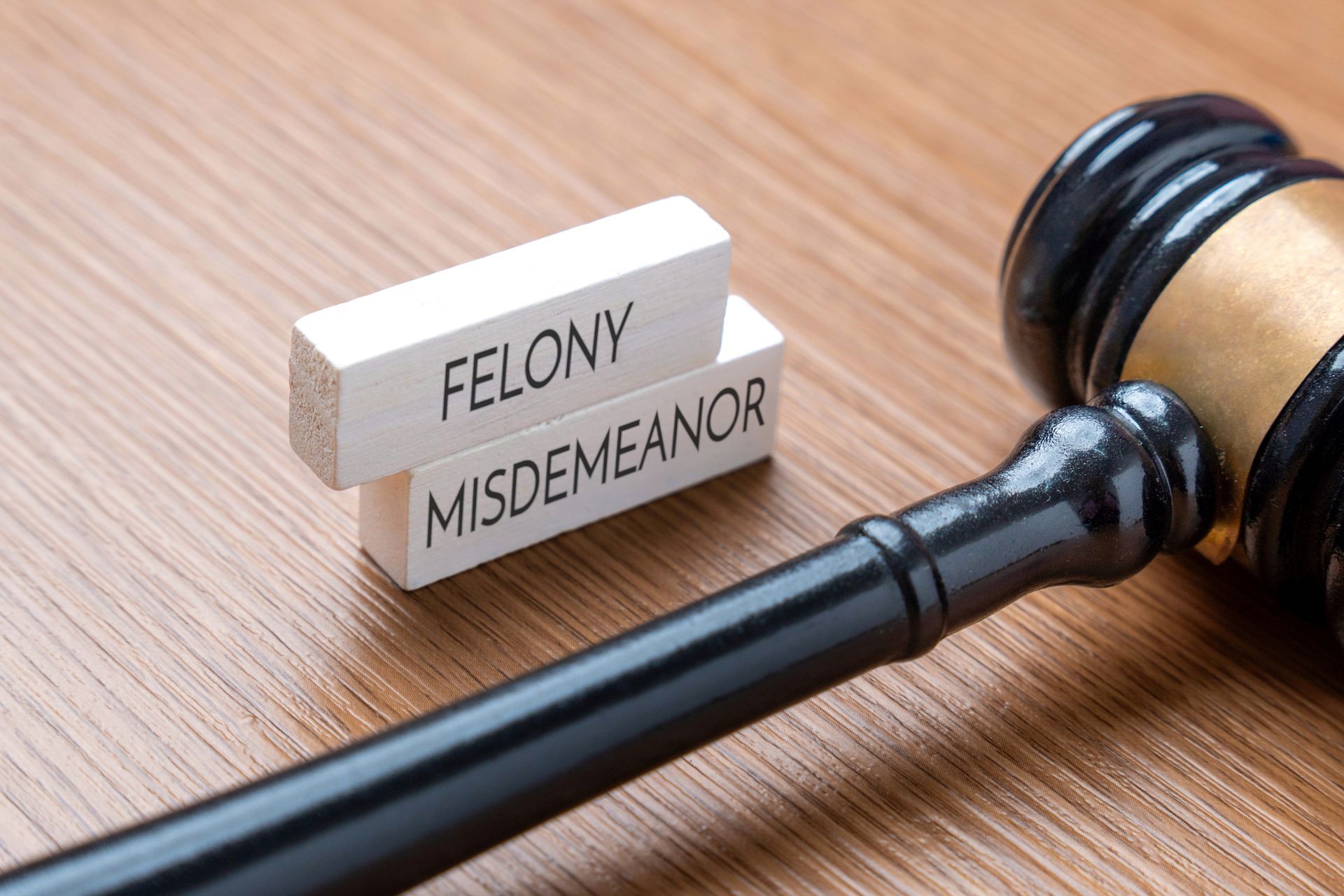
Indiana law separates criminal offenses into misdemeanors and felonies. Misdemeanors are the less serious of the two, typically carrying county jail time capped at one year. Felonies are more serious and can lead to multiple years in state prison, heavy fines, and lasting consequences for employment, housing, and civil rights.
The key dividing line is simple: if a crime carries more than one year of incarceration, Indiana classifies it as a felony. Understanding which side of that line your charge falls on is the first step in building a sound criminal defense law strategy.
How Are Indiana Misdemeanors Classified?
Indiana uses three misdemeanor classes, with Class A being the most serious and Class C the least.
Class A Misdemeanor: Up to one year in county jail and fines up to $5,000. Battery causing bodily injury and petty theft under $750 often fall here.
Class B Misdemeanor: Up to 180 days in jail and fines up to $1,000. Disorderly conduct, public intoxication, and criminal mischief often fall here.
Class C Misdemeanor: Up to 60 days in jail and fines up to $500. Possession of drug paraphernalia and certain traffic offenses may be charged at this level.
Even a Class C misdemeanor can affect job prospects and housing applications. In LaPorte County, employers and landlords routinely run background checks. A misdemeanor on your record therefore carries real consequences beyond any court-ordered sentence.
Indiana's Six Felony Levels Explained
Indiana organizes felonies into six levels. Level 1 is the most serious; Level 6 is the least severe.
Level 1 Felony: 20 to 40 years in prison, fines up to $10,000. Rape involving aggravating circumstances and major drug trafficking may fall here.
Level 2 Felony: 10 to 30 years in prison, fines up to $10,000. Voluntary manslaughter and large-scale drug offenses often fall here.
Level 3 Felony: 3 to 16 years in prison, fines up to $10,000. Aggravated battery and robbery often land at this level.
Level 4 Felony: 2 to 12 years in prison, fines up to $10,000. Arson and residential burglary are charged at this level.
Level 5 Felony: 1 to 6 years in prison, fines up to $10,000. Battery with a deadly weapon may be charged here.
Level 6 Felony: Six months to two and a half years in prison, fines up to $10,000. Theft and possession of a controlled substance commonly result in Level 6 charges.
Beyond prison time, felony convictions can strip away voting rights, professional licenses, and firearm rights. Residents of La Porte, IN, facing felony charges have every reason to seek experienced criminal defense law representation without delay.
Can a Felony Charge Be Reduced in Indiana?
A Level 6 felony can sometimes be reduced to a Class A misdemeanor through an alternative misdemeanor sentence, which may occur at sentencing, through a plea agreement, or by petition at least three years after completing the sentence and satisfying every condition imposed with it. Charges like theft, drug possession, and operating while intoxicated with a prior offense may qualify.
Not everyone is eligible. Certain offenses, including domestic battery and possession of child sex abuse material, are excluded outright, and anyone who has already received an alternative misdemeanor sentence within the prior three years is ineligible. Defendants with certain prior felony convictions may also be disqualified, and judges weigh aggravating and mitigating factors when deciding where a sentence should fall within the applicable range. Strong criminal defense law advocacy during this phase can make a meaningful difference.
What Is the Difference Between a Misdemeanor and a Felony in Indiana?
A misdemeanor carries up to one year in county jail; a felony carries more than one year in state prison. The classification also affects long-term consequences for employment, housing, and civil rights.
Can a Misdemeanor Be Elevated to a Felony in Indiana?
Yes. Certain repeat misdemeanor offenses can be elevated under Indiana law. Domestic battery or selling drug paraphernalia may be charged as a felony with prior convictions, and committing a misdemeanor against a protected person, such as a public safety officer, can also trigger an elevation.
What Does an Advisory Sentence Mean in Indiana?
An advisory sentence is a guideline figure within each felony level's sentencing range. Courts may use it as a starting point but can sentence above or below it based on the specific facts of the case.
How Can an Attorney Help With Charges in LaPorte County?
An attorney who practices criminal defense law in La Porte, IN, can review the facts of your case, identify potential defenses, negotiate with prosecutors, and advocate for charge reductions or lighter sentences. Early legal involvement often improves outcomes.
Speak With a Criminal Defense Attorney Serving La Porte, IN
If you are facing misdemeanor or felony charges in LaPorte County, time matters. Braje, Nelson & Janes, LLP has served Northwest Indiana communities since 1974, providing criminal defense law representation to individuals throughout LaPorte and Porter Counties.
Reach out to the
criminal defense attorneys at Braje, Nelson & Janes, LLP to discuss your situation. Call the La Porte office at
219-369-0100 or the Michigan City office at
219-872-2100, or
contact the firm online to request a consultation. Your future deserves a serious defense.